
Group
Herding dog breeds
Bred to move stock, not guard it. The drive arrives in an Indian flat whether or not there is anything to herd.
Quick answer
A herding dog breed is one whose defining work is moving livestock, by eye, voice or heel, rather than guarding it. The Border Collie controls stock by sight, the Huntaway drives sheep with a bark its standard requires to be deep, loud and sustained all day, and the Pyrenean Sheepdog moved flocks alongside a much larger guardian that protected them. That drive to control movement comes into an Indian home and shows up as herded children, chased two-wheelers and barking at the corridor. Several collie-descended members carry the MDR1 drug-sensitivity mutation and several merle-carrying members a deafness risk, and their pages say so.
The breeds
These dogs were selected to control movement, and an Indian flat has plenty of it. The pages separate the herder from the guardian it worked beside, and the collie-descended and merle members state the two inherited risks, MDR1 and merle deafness, that Indian law does not screen for.
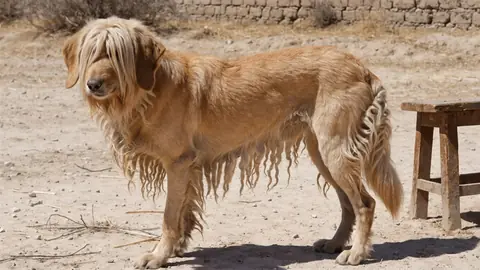 ArmantAn Egyptian herding landrace with no FCI recognition, one hard-to-find standard, a famous origin story nobody can evidence, and...
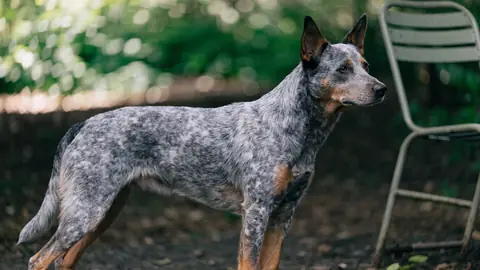 Australian Cattle DogWhat an Australian Cattle Dog really costs in India, why every ranking page shows you a different dog, the two BAER studies that...
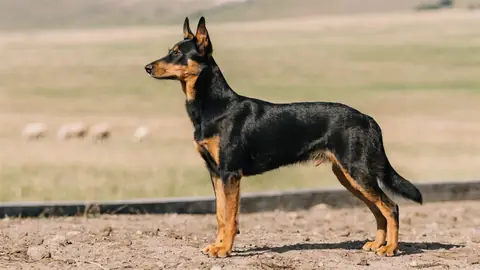 Australian KelpieTwo separately registered populations, one honest answer about heat, and an Indian market that does not survive an audit.
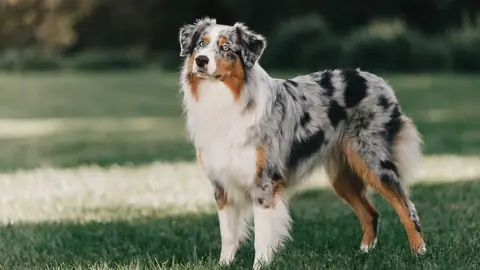 Australian ShepherdWhat an Australian Shepherd actually costs in India, why published prices disagree by more than Rs 5 lakh, and the one genetic...
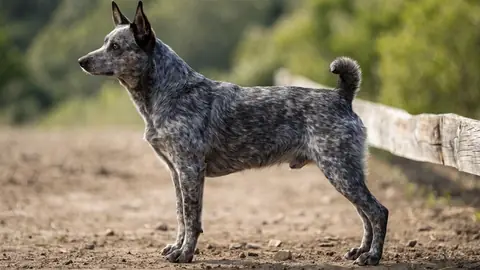 Australian Stumpy Tail Cattle DogAn Australian working breed whose short tail is inherited rather than cut, whose FCI recognition is still provisional twenty-one...
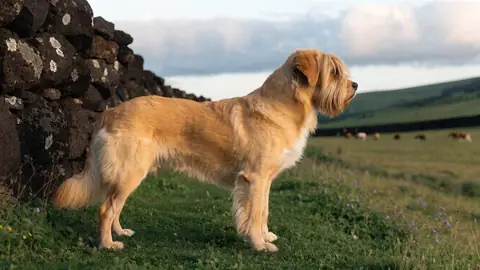 Barbado da TerceiraThe Azorean cattle dog, read from its own Portuguese standard and two University of the Azores theses, against Indian heat,...
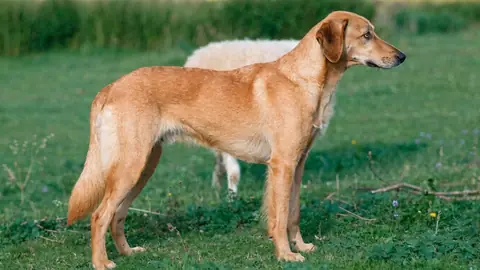 Basque Shepherd DogThe Basque Country's own sheepdog, recognised by Spain as two separate racial prototypes eleven months apart, kept in a studbook...
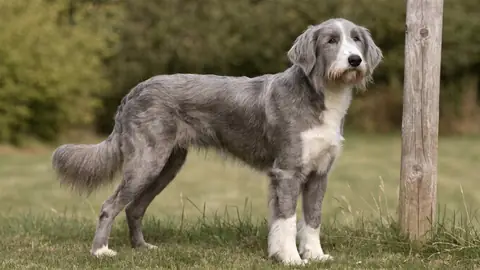 Bearded CollieThe Indian search results for this breed are mostly about a different dog. This page reads the Kennel Club, AKC and FCI standards...
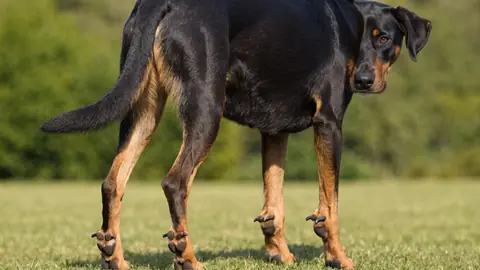 BeauceronFCI-Standard No. 44 read from the FCI's own French and English PDFs, the double dewclaw rule traced through three separate...
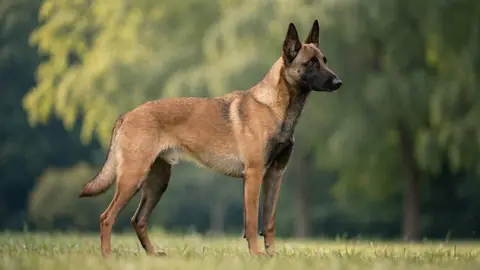 Belgian ShepherdWhat a Belgian Malinois costs in India, why the Malinois is one of four varieties of the Belgian Shepherd rather than a breed of...
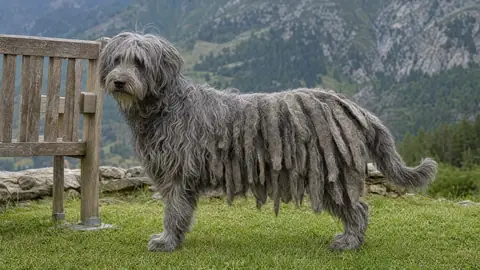 Bergamasco ShepherdThe Bergamasco's flocked coat is defined precisely by FCI-Standard 194, and every piece of published care advice for it assumes...
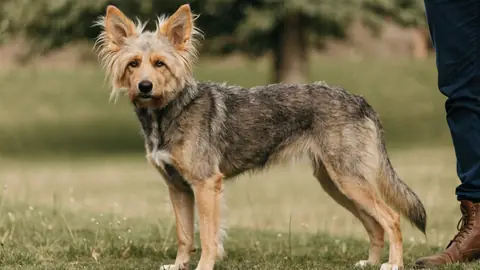 Berger PicardA French herding breed rebuilt after the world wars from a single recorded 1950 mating, with 240 French studbook registrations in...
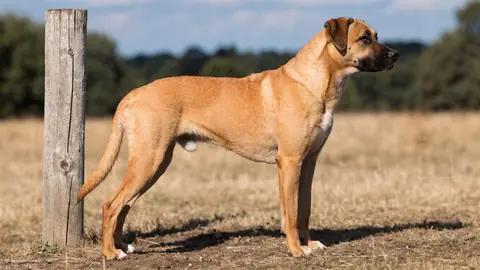 Black Mouth CurFive registries define this breed and contradict each other, OFA holds zero records across all 1,287 of its tables, PubMed holds...
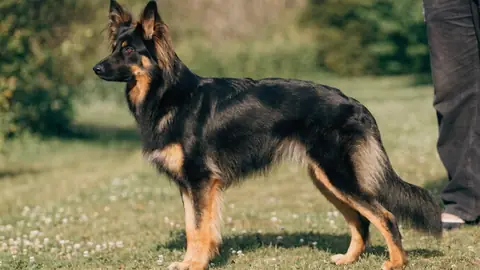 Bohemian ShepherdThe Czech Republic's national sheepdog, rebuilt from three dogs of unknown origin after a 1984 newspaper appeal, recognised by...
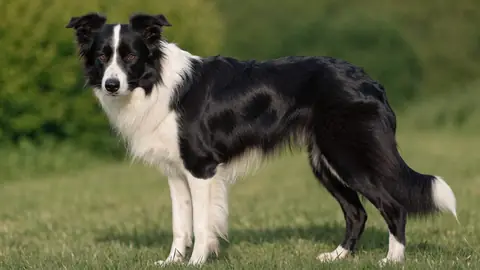 Border CollieWhat a Border Collie really costs in India, why published prices differ by 58 times, what the MDR1 and collie eye anomaly DNA...
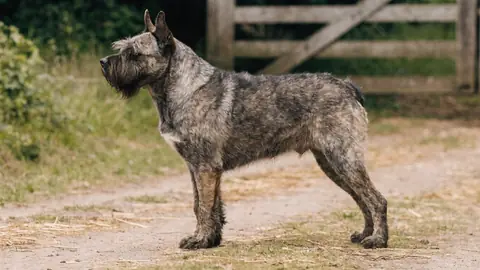 Bouvier des ArdennesA Belgian cattle dog rebuilt from four founders, read from FCI-171, two national studbooks and the one paper that exists about it.
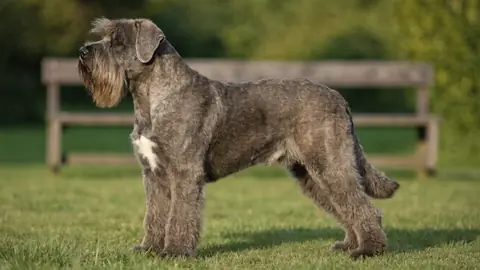 Bouvier des FlandresEvery published Indian price for this breed is an American dollar figure at 74 rupees, and the standard that describes it asks...
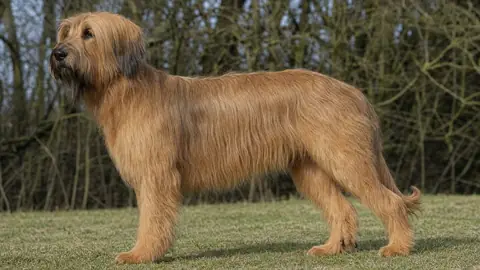 BriardFCI-Standard No. 113 read in its authentic French, the double hind dewclaw rule traced through three registries and set against...
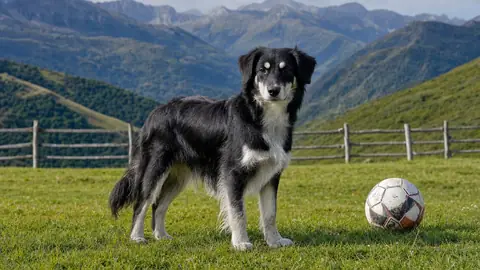 Can de ChiraAragon's sheep-turning mountain dog, named in a minority language for the job it did: fewer than 400 registered anywhere, no...
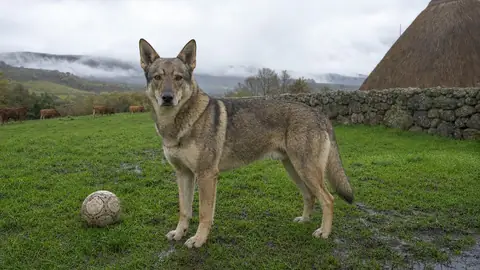 Can de PalleiroGalicia's native farm dog, named after the outdoor straw rick it slept beside: about 2,400 alive, four published census figures...
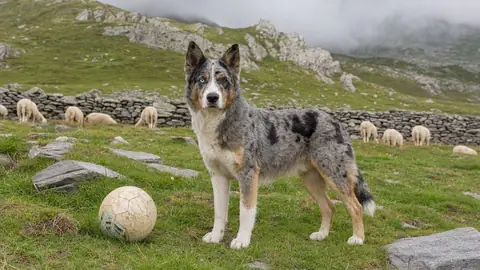 Cane da Pastore di OropaPiedmont's alpine herding dog, and the registry answer four publishers got wrong: ENCI holds it in an open register for...
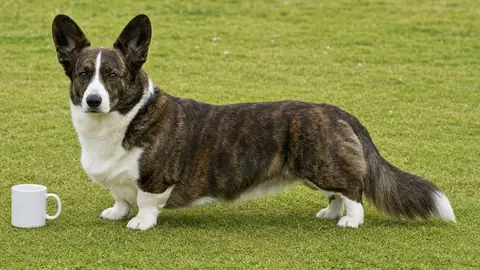 Cardigan Welsh CorgiThe Corgi that was never docked, priced in India at four times its sibling and on the strength of paperwork that costs Rs 750,...
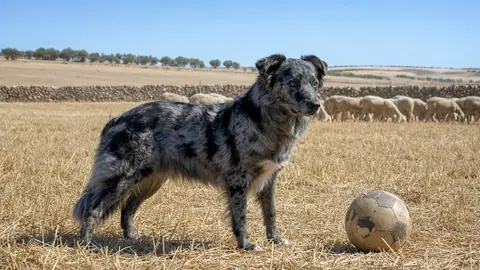 Carea LeonesLeon's sheep-driving dog, legally the Perro Leones de Pastor since 2016: one of very few breeds anywhere whose government...
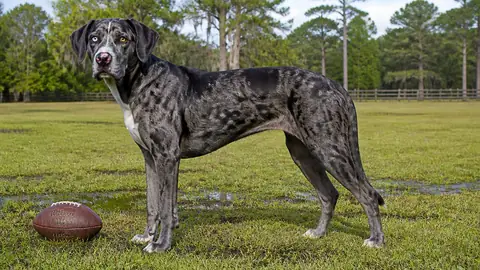 Catahoula Leopard DogLouisiana's state dog by statute, and the only breed whose enabling law names a private registry: a merle-patterned working dog...
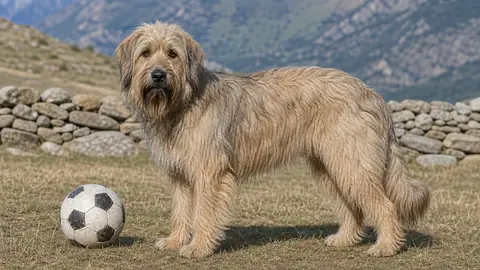 Catalan SheepdogCatalonia's flock-driving dog, FCI standard 87 since 1982: one of only two Spanish breeds in the FCI's sheepdog nomenclature,...
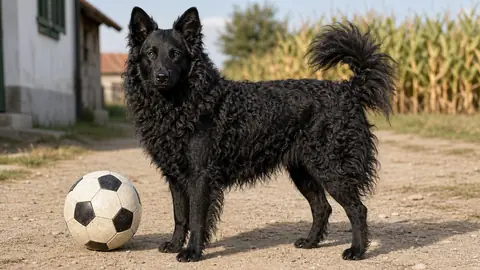 Croatian SheepdogA critically endangered Croatian herding breed with 130 registered animals at home, no lawful supply chain into India, and a...
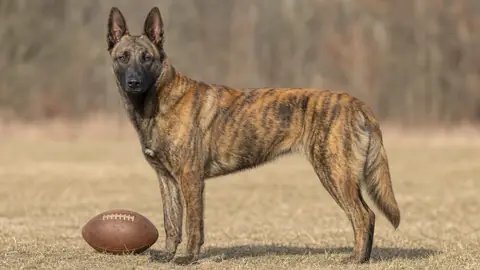 Dutch ShepherdA working police and military shepherd that never split into show and working lines, sold in India at prices that span a factor...
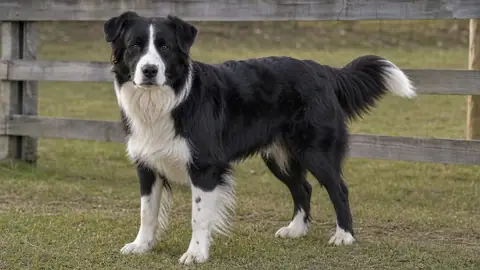 English ShepherdIt is an American farm dog, not an English one, and its own parent club says in writing that it is both a standardised breed with...
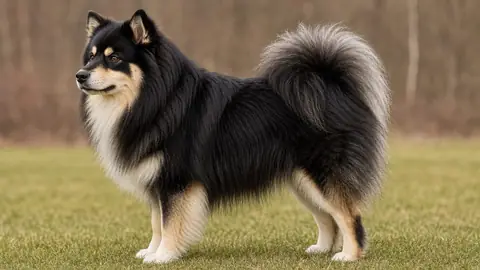 Finnish LapphundA reindeer-herding spitz from inside the Arctic Circle, measured against Indian heat with NASA POWER wet-bulb data and against...
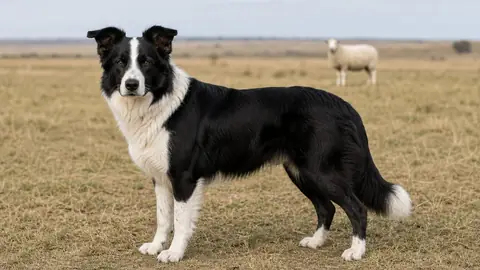 Gaucho SheepdogWhat CBKC standard NR05 actually says, why both Wikipedias cite a Moroccan breed's standard instead, the Brazilian MDR1 study...
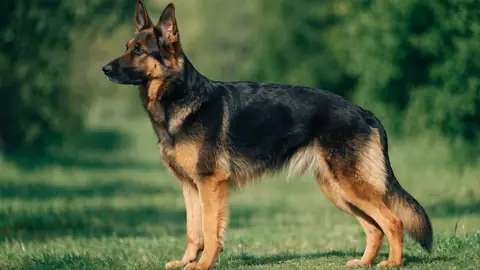 German ShepherdWhat a German Shepherd actually costs in India, why the double coat and single coat labels sold here are not breed grades, and...
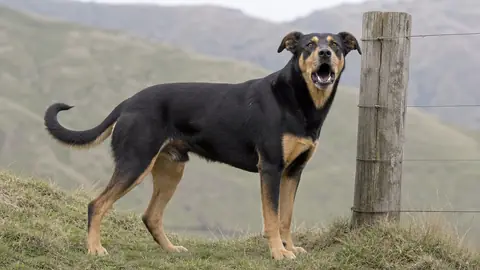 HuntawayNew Zealand's loudest working dog, tested against Bonbeno's own two-condition rule for what makes a breed, and against Indian...
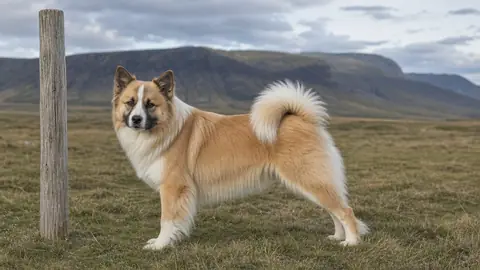 Icelandic SheepdogIceland's only native dog, rebuilt from 36 founders after a near-extinction, and protected by its own parliament since 1994.
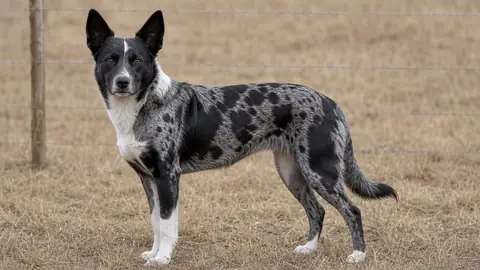 KoolieAn Australian working landrace whose breed status is genuinely contested, tested here against Bonbeno's own two-condition rule...
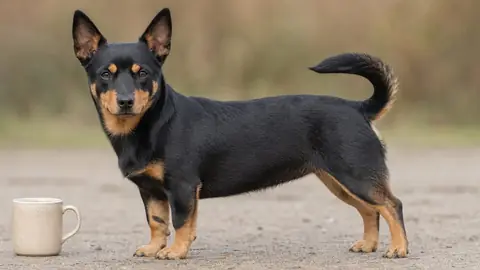 Lancashire HeelerBritain's smallest herding breed, a vulnerable native breed at 92 UK registrations in 2025, holding the longest median life...
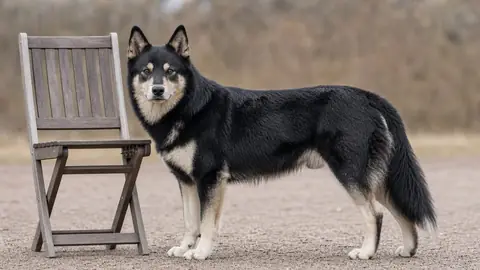 Lapponian HerderFinland's reindeer-herding spitz, separated from the Finnish Lapphund in 1966, carrying a brand-new 2026 breed standard, 6,850...
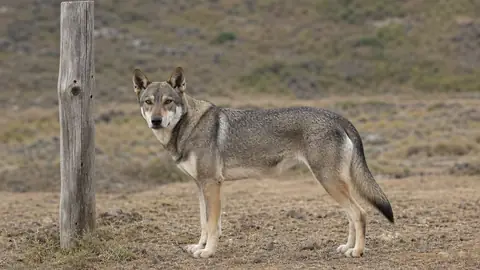 Lobito HerrenoEl Hierro's wolf-grey herding dog, measured against the four registers that decide what a Spanish breed is, and against an Indian...
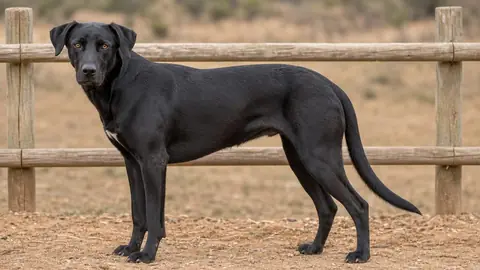 Majorca Shepherd DogWhat FCI Standard 321 says in Spanish, why the UKC's height range does not overlap it, and why every English page ranking in...
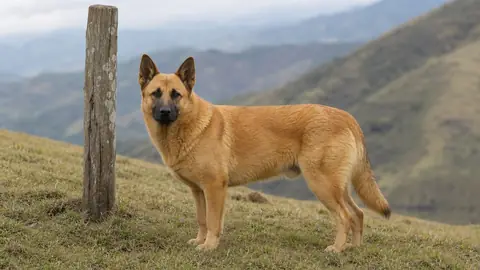 Mantiqueira ShepherdBrazil's newest recognised herding breed, read off the CBKC's own standard NR23 rather than off the pages that copy a height and...
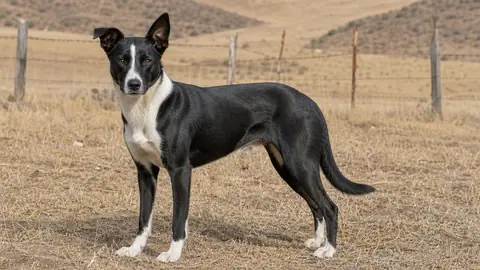 McNabA Californian herding dog with a documented founder, two written standards, two working registries and no kennel club...
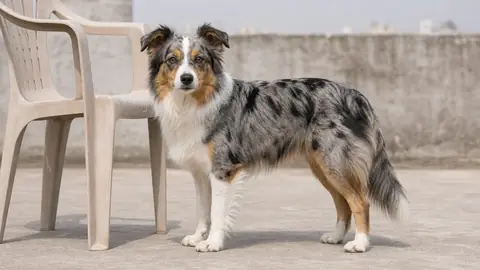 Miniature American ShepherdA 35 to 46 cm American herding dog that carried a different name until 2011, sold in India under three names at once, and...
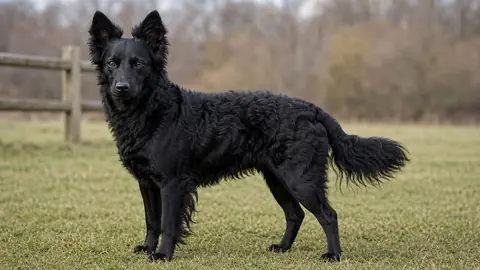 MudiA Hungarian herding breed that genuinely still works sheep, that English sources keep confusing with the Puli and the Pumi, and...
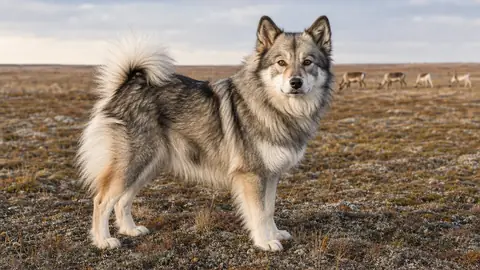 Nenets Herding LaikaEvery English page about this dog repeats that it is a Paleolithic breed, unchanged for ten thousand years, and most of them cite...
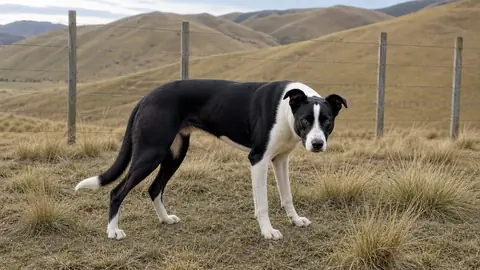 New Zealand Heading DogNew Zealand's other working dog, the quiet one, tested against Bonbeno's own two-condition rule and against Indian heat. It...
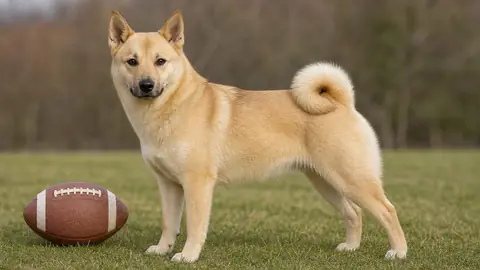 Norwegian BuhundIts own kennel club calls it a healthy breed. Its own spreadsheet gives it the worst hip record of Norway's seven native breeds,...
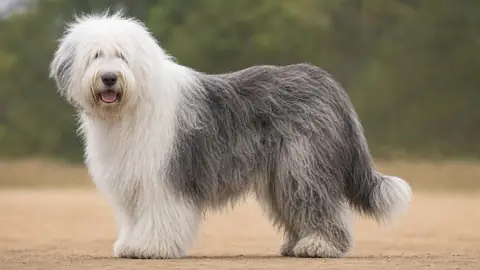 Old English SheepdogThe page that opens the sellers' own markup and counts what is actually being priced, reads the Royal Kennel Club's registration...
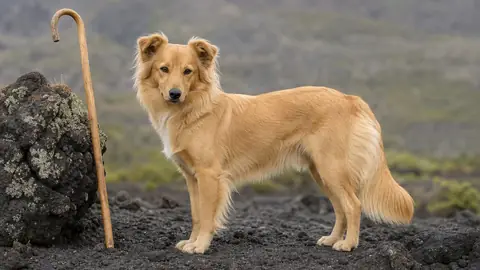 Pastor GarafianoLa Palma's goat-herding dog, added to Spain's national canine annex in 2004 with a full state-published prototype: a breed whose...
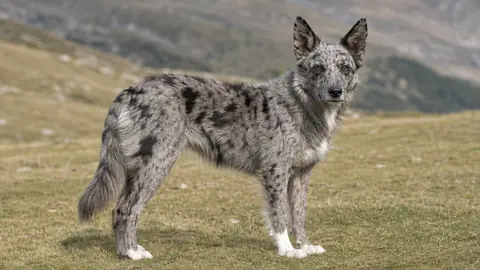 Pastore della Lessinia e del LagoraiA breed in formation, not a breed and not a type: a real standard, a real register, a genomics paper that calls it a variety, and...
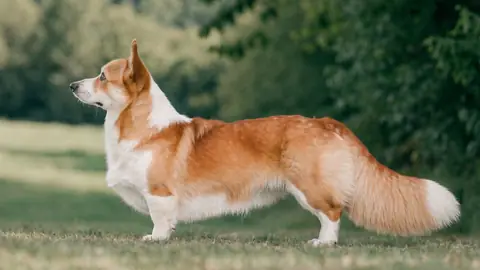 Pembroke Welsh CorgiWhat a Corgi costs in India across six published sources that disagree sevenfold, what the genetics actually say about the short...
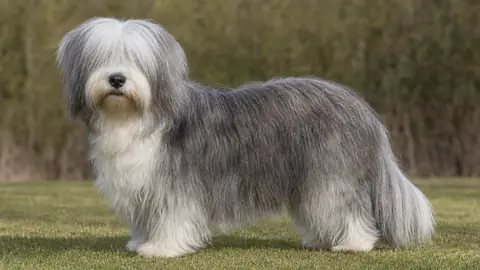 Polish Lowland SheepdogA 42 to 50 cm Polish herding dog under a coat that falls over its eyes. It is the only one of Poland's native breeds with real...
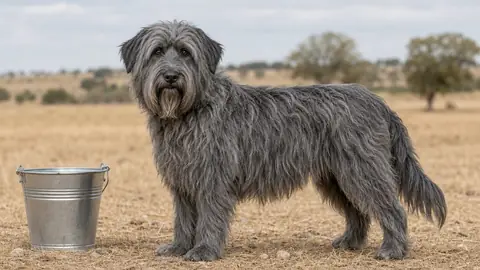 Portuguese SheepdogA 17 to 27 kg Portuguese herding dog with a goat-textured single coat, no undercoat at all, and an MDR1 question that changes how...
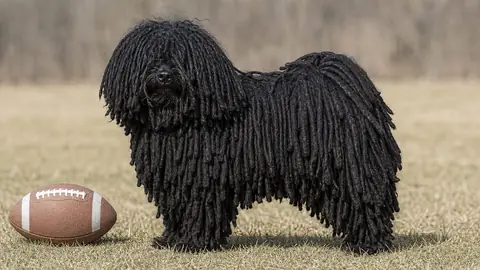 PuliA 13 to 15 kg Hungarian herding dog wearing 20 to 30 cm of felted rope. The coat is the whole decision, and in India it is a...
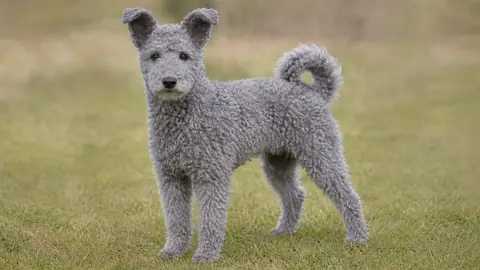 PumiA 41 to 47 cm Hungarian herding dog with corkscrew curls and ears that fold at the top third. Its own breed standard forbids...
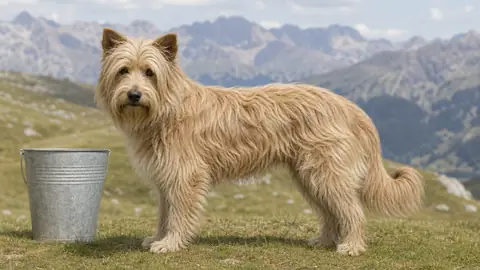 Pyrenean SheepdogA small French herding dog that four registries file four different ways, with two FCI standards accepted two days apart in...
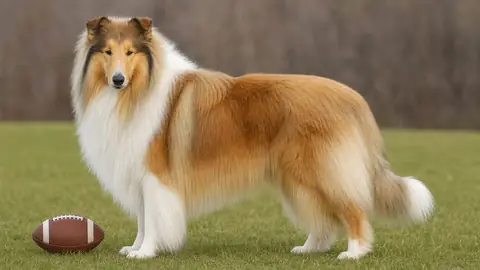 Rough CollieThree major registries disagree about what this dog even is. Here is what each of their own documents says, what the Indian price...
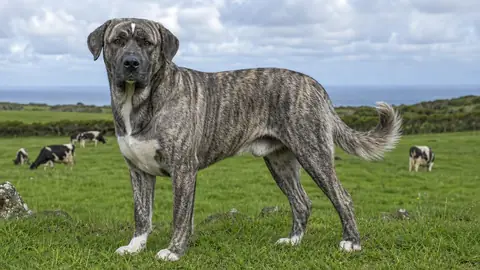 Saint Miguel Cattle DogAn Azorean cattle dog of 25 to 35 kg whose own FCI standard describes cropped ears and a docked tail, both of which Indian law...
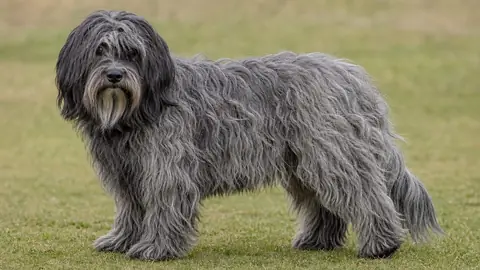 SchapendoesA shaggy Dutch herding dog that almost vanished in the Second World War, came back through a studbook started in 1954, and has...
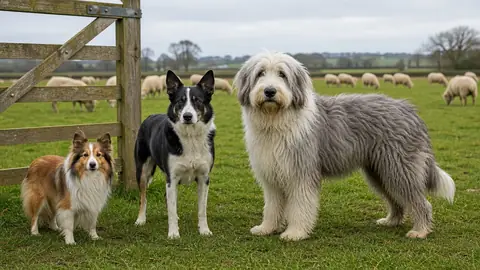 Sheep dogOne Indian search for this term returned five different dogs, priced from Rs 5,000 to Rs 1,25,000, two of them the same animal...
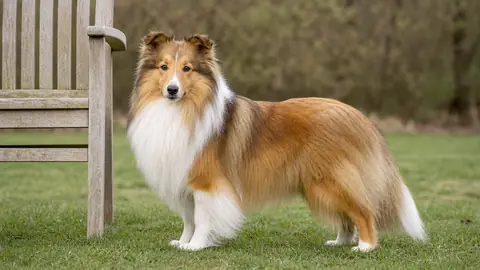 Shetland SheepdogIndia's top-ranking Sheltie sales page quotes Rs 3,50,000 above a carousel of eight dogs that contains no Sheltie. Here is what...
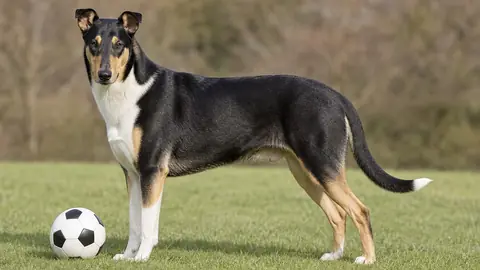 Smooth CollieFifty-six puppies were registered in its home country last year. Two European genetic surveys put its drug-sensitivity mutation...
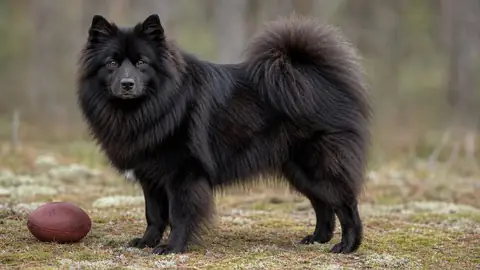 Swedish LapphundA solid black, profusely coated Sami reindeer dog from the Arctic Circle, about 1,200 of them alive worldwide, carrying wolf...
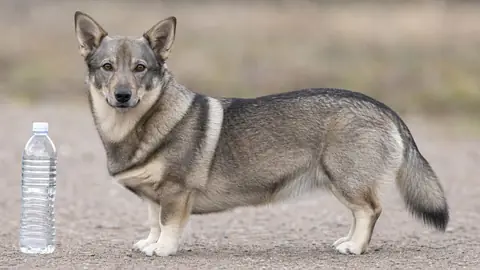 Swedish VallhundA 33 cm Swedish herding spitz with the lowest measured genetic diversity of any breed UC Davis has tested, a breed-specific...
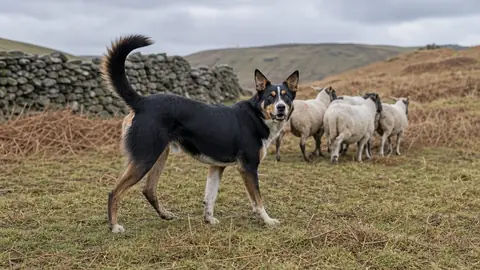 Welsh SheepdogA thousand puppies birth registered, two registers, a published fee schedule, an assessment day on a working farm, and not one...
Compare the breeds side by side
To compare these 63 breeds directly, read across the table rather than down the guides. Heat tolerance is a Bonbeno rating out of 5 for Indian conditions, and the reasoning behind each one sits on the breed's own page.
| Breed | Heat tolerance | Published price, India |
|---|---|---|
| Armant | 3 of 5 | No Indian market exists |
| Australian Cattle Dog | 3 of 5 | Rs 25,000 to Rs 75,000 |
| Australian Kelpie | 2 of 5 | Rs 20,000 to Rs 40,000 |
| Australian Shepherd | 2 of 5 | Rs 35,000 to Rs 6,00,000 |
| Australian Stumpy Tail Cattle Dog | 3 of 5 | None. No rupee figure exists in any source we opened |
| Barbado da Terceira | 2 of 5 | None published. The only rupee figure on India page one is Rs 5,539, for a wall plaque |
| Basque Shepherd Dog | 2 of 5 | See page |
| Bearded Collie | 2 of 5 | None |
| Beauceron | 2 of 5 | None published by any ranking source |
| Belgian Shepherd | 2 of 5 | Rs 26,700 to Rs 1,50,000+ |
| Bergamasco Shepherd | 1 of 5 | No Indian market exists |
| Berger Picard | 2 of 5 | None. The one site publishing a rupee band shows Listings 0 |
| Black Mouth Cur | 4 of 5 | None. The only published band sits beside its own 'Listings 0' counter |
| Bohemian Shepherd | 2 of 5 | None found. No Indian listing, breeder or rupee figure exists for the breed |
| Border Collie | 2 of 5 | Rs 20,000 to Rs 60,000 |
| Bouvier des Ardennes | 1 of 5 | See page |
| Bouvier des Flandres | 1 of 5 | See page |
| Briard | 2 of 5 | None. No Briard found for sale in the country |
| Can de Chira | 2 of 5 | See page |
| Can de Palleiro | 2 of 5 | None exists. No verified dog, no listing, no lawful breeding route |
| Cane da Pastore di Oropa | 2 of 5 | None exists. No verified dog, no listing, no lawful breeding route |
| Cardigan Welsh Corgi | 2 of 5 | Rs 3,50,000 to Rs 8,50,000 |
| Carea Leones | 2 of 5 | None exists. No verified dog, no listing, no lawful breeding route |
| Catahoula Leopard Dog | 3 of 5 | Rs 20,000 to Rs 60,000, matching no source at 84.38, 74 or 80 |
| Catalan Sheepdog | 2 of 5 | None exists. No Indian seller, no listing, no lawful breeding import route |
| Croatian Sheepdog | 2 of 5 | USD 1,000 to 1,200 or GBP 1,000 to 1,200; no Indian price |
| Dutch Shepherd | 3 of 5 | Rs 60,000 to Rs 5,00,000, a spread of 8.3 times |
| English Shepherd | 3 of 5 | See page |
| Finnish Lapphund | 1 of 5 | See page |
| Gaucho Sheepdog | 2 of 5 | No listing found. The marketplace URL for this breed returns 404 while the Border Collie URL serves a price table |
| German Shepherd | 2 of 5 | Rs 18,000 to Rs 2,00,000 |
| Huntaway | 3 of 5 | 0 of three lists covering 40+, 50+ and 40 breeds |
| Icelandic Sheepdog | 2 of 5 | None. Every rupee figure on the Indian SERP is merchandise or a book |
| Koolie | 3 of 5 | See page |
| Lancashire Heeler | 2 of 5 | See page |
| Lapponian Herder | 1 of 5 | No verifiable figure. Two Indian pages print Rs 70,000 to Rs 1,50,000 and their running-cost lines are identical to their own Whippet pages |
| Lobito Herreno | 2 of 5 | Rs 500, renewed at Rs 500 |
| Majorca Shepherd Dog | 3 of 5 | See page |
| Mantiqueira Shepherd | 2 of 5 | See page |
| McNab | 3 of 5 | 0 of 40 |
| Miniature American Shepherd | 2 of 5 | None. No Indian listing priced one on 2 September 2026 |
| Mudi | 3 of 5 | None. No Indian seller listing for the breed was located |
| Nenets Herding Laika | 1 of 5 | No Indian price exists. No Indian listing, breeder or shelter record was found against a passing control |
| New Zealand Heading Dog | 3 of 5 | 0 of three lists covering 40+, 50+ and 40 breeds |
| Norwegian Buhund | 1 of 5 | See page |
| Old English Sheepdog | 1 of 5 | 0 of 7 |
| Pastor Garafiano | 3 of 5 | None exists. The only Amazon.in result for the breed is a tricks book |
| Pastore della Lessinia e del Lagorai | 2 of 5 | None. The only price found anywhere was a 700 euro Italian stud fee |
| Pembroke Welsh Corgi | 2 of 5 | Rs 35,000 to Rs 2,50,000 |
| Polish Lowland Sheepdog | 2 of 5 | See page |
| Portuguese Sheepdog | 2 of 5 | Rs 699, with the 9-in-1 from Rs 899 |
| Puli | 2 of 5 | See page |
| Pumi | 3 of 5 | See page |
| Pyrenean Sheepdog | 2 of 5 | None found |
| Rough Collie | 1 of 5 | Rs 12,000 to Rs 1,10,000 |
| Saint Miguel Cattle Dog | 2 of 5 | Rs 699, with the 9-in-1 from Rs 899 |
| Schapendoes | 1 of 5 | See page |
| Sheep dog | 2 of 5 | Rs 5,000 to Rs 25,000 |
| Shetland Sheepdog | 1 of 5 | Rs 30,000 to Rs 80,000 across three tiers, with a Rs 3,50,000 outlier |
| Smooth Collie | 2 of 5 | See page |
| Swedish Lapphund | 1 of 5 | Rs 6,500 to Rs 10,000 |
| Swedish Vallhund | 2 of 5 | Rs 6,000 to Rs 9,000 |
| Welsh Sheepdog | 2 of 5 | None published anywhere |
What matters in this group
The points below are what the evidence on these 63 guides actually supports, not what the category is assumed to mean.
- A herding dog moves stock and a livestock guardian lives with it, and the two jobs make different dogs. The Pyrenean Sheepdog was bred to move flocks alongside the much larger guardian that protected them, and its page puts the difference in six words, a guardian conserves energy, a herder spends it. A 2022 genomic study of 158 dogs across nine Italian shepherd breeds, on the Cane da Pastore di Oropa page, named the mechanism. A herding dog shows a hunting motor pattern interrupted before the crush-bite-kill sequence, while a guardian never displays predatory behaviour toward livestock at all. The Huntaway and Koolie pages file the dog as a herding dog rather than a guardian, and the Border Collie page says it will bark and it will not guard. Several members hold both jobs and sit on both pages. FCI-Standard 44 gives the Beauceron's purpose as Sheepdog and Guard Dog, the Briard was bred for herd-driving and guarding, the Bergamasco to drive and guard alpine flocks, the Can de Palleiro drives the cows and looks after the house, the Dutch Shepherd moved into police work while its herding job was still live, and the Majorca Shepherd Dog is a one-owner territorial guard dog. The rest are herders, and buying one for the gate is the first mistake their pages describe.
- The drive to control movement comes into the home whether or not there is stock to work, and it lands on whatever moves. The American Kennel Club, quoted on the Border Collie page, states that because of their tendency to herd animals and people, Border Collies do best with older, well-behaved children, and in practice that is circling, staring, nipping at heels and blocking. The Rough Collie and Shetland Sheepdog pages record the herding response firing at cyclists, joggers, delivery riders and running children, and call it a safety problem beside Indian two-wheeler traffic. The Old English Sheepdog page puts a weight on it, 35 kg leaning into a running toddler, which is not aggression and is still a fall. Noise comes from the same selection. A dog bred to control movement barks at movement it cannot control, the Rough Collie was selected to move stock at a distance and to be heard doing it, and the Huntaway standard requires a voice that is deep, loud and able to be maintained all day. The Shetland Sheepdog page rates barking 5 of 5 and calls it a bigger practical problem in an Indian flat than the coat. The remedy on every page is the same, a job, not a correction.
- Exercise in this group is measured in hours, and in India those hours have to fall in the dark. The Royal Kennel Club puts the Border Collie, Old English Sheepdog and Pyrenean Sheepdog at more than two hours a day, and the Australian Shepherd page describes a dog bred to cover 20 to 30 km a day moving stock. Set that against the Indian calendar. The Smooth Collie page states that from March to October in the plains both daily sessions have to fall outside daylight, and the Border Collie page gives before 7 am and after 8 pm from March to June. The reason is exertion rather than temperature. In the largest UK primary-care study, quoted on the Berger Picard page, 652 of 879 heat-related illness events with a known trigger were exertional, 74.2 percent, and the Border Collie is among the breeds with significantly greater odds of exertional heat illness than crossbreds, because it keeps working past the point where a less driven dog lies down. Every page moves the hours rather than cutting them, and fills the middle of the day with scent work, because hiding food and letting the dog find it tires a herding brain faster than distance does.
- MDR1 drug sensitivity is the health fact in this group that an Indian vet is least likely to ask about and most likely to trigger. A four base pair deletion in the MDR1 gene, also called ABCB1, truncates P-glycoprotein at the blood-brain barrier, and dogs carrying two copies react to a defined list of common drugs with signs from tremors to death. The frequencies are collie-shaped. Washington State University's breed table, quoted on the Border Collie page, puts the Collie at 70 percent, the Australian Shepherd at 50 percent, the Shetland Sheepdog at 15 percent and the Border Collie under 5 percent, and a 4,729-dog European survey on the Smooth Collie page puts that breed at 58.5 percent, the highest of nine, with the Rough Collie at 48.3. The Portuguese Sheepdog has been genotyped in exactly ten dogs, none carrying it, and the authors say ten dogs cannot establish absence. India sharpens all of it. Ivermectin is safe at heartworm-prevention doses and toxic at mange doses in a carrier, published Indian mange protocols on the Border Collie page dose it at 0.2 mg per kg, and loperamide causes neurological toxicity at ordinary doses. The test is a one-time cheek swab, and the Border Collie page's instruction is to test once and carry the result.
- Merle is the colour that sells this group in India and the mating its own registries refuse. In the largest study of merle dogs, 153 privately owned dogs hearing-tested by BAER and quoted on the Koolie, Australian Shepherd and Carea Leones pages, single merles were 2.7 percent unilaterally and 0.9 percent bilaterally deaf, while double merles were 10 percent and 15 percent. The Royal Kennel Club has refused to register puppies from a merle to merle mating since 1 January 2013, a rule the Border Collie and Pyrenean Sheepdog pages both quote, and the Carea Leones standard permits the merle coat and makes deafness an eliminatory fault. Indian law offers nothing. The Rough Collie and Shetland Sheepdog pages searched the Dog Breeding and Marketing Rules 2017 in full and found that the words merle, deaf and BAER each appear zero times, and the only clause that reaches it is paragraph 6(9), which prohibits breeding for unusual looks. Blue merle and red merle command a premium in India, the Border Collie page notes, exactly the wrong incentive. Ask what colour both parents are, walk away if the answer is merle and merle, and book a BAER hearing test on any merle puppy, because Indian law will not ask for you.
- Most of this group cannot lawfully be bought here. DGFT Trade Notice 22/2022-23 makes dogs a Restricted import and rejects applications for breeding or trading outright, so the Beauceron, Briard, Puli and a dozen others carry no Indian price. Recognition runs from the Border Collie at FCI 297 to no number at all. The Miniature American Shepherd and Bohemian Shepherd hold provisional numbers, 367 and 364. The Basque Shepherd Dog, Can de Palleiro and Carea Leones are Spanish state breeds with a standard and a studbook and no FCI number, so, the Basque page states, they cannot be registered with the Kennel Club of India as FCI-pedigreed dogs. The Lobito Herreno and the Lagorai are breeds in formation on their own pages, and the Cane da Pastore di Oropa sits on ENCI's open register as a population in recovery, each with a standard and a register. None of that is a type verdict, so they belong here and not on the types page. What an Indian buyer can get is the Border Collie, at Rs 20,000 to Rs 60,000 from editorial pages and Rs 3,50,000 to Rs 7,00,000 from sellers, and the Shetland Sheepdog at Rs 30,000 to Rs 80,000. Several pages end with an Indian pariah dog of herding build and no merle or MDR1 lottery.
Membership is generated from the breed data itself, not typed by hand, so this list cannot drift from the guides it points at and fills in as more publish. The 63 guides here cite 2377 sources between them.
This page is a directory of published Bonbeno guides, generated from their data rather than written as clinical guidance, so no veterinarian reviewed this page itself. Each linked guide carries its own veterinary review and its own health sections. Breed level evidence describes populations, and your animal is an individual, so consult your nearby vet before acting on anything you read here.
Common questions
How does Bonbeno decide which breeds belong on this page?
Membership is generated from each breed's own published data rather than chosen by an editor. The group is defined by a shared trait rather than a rating, so its members are named in the site's own cluster definition and each one is checked against the published guide before it appears. A breed appears here the moment its guide publishes and meets that rule, and never before, which is why no link on this page can point at a guide that does not exist.
What is a Bonbeno heat tolerance rating?
It is a 1 to 5 rating of how well a breed copes with Indian conditions, where 5 is best. Almost no international breed reference publishes one, and in a country where summer temperatures pass 45 C it is the most decision-relevant trait there is. It is Bonbeno's own judgement, built from published heat-illness evidence where that exists and stated as inference where it does not.
Are the prices on this page current?
Each price is read from that breed's own guide, where it is compared across published Indian sources and cited. Published Indian breed prices disagree widely between sellers, sometimes by more than a lakh for the same breed, so treat the figure here as the lowest band Bonbeno found and read the guide for the full range.
Does Bonbeno sell or broker any of these dogs?
No. Bonbeno does not sell pet food, products or animals and does not broker puppy or kitten sales. Nothing on this page is a listing, and no breeder or seller can pay to appear on it.