
Dog and cat health, for Indian conditions
Symptoms, causes and the line between wait and go now, written for the diseases and climate Indian pets actually face.
Quick answer
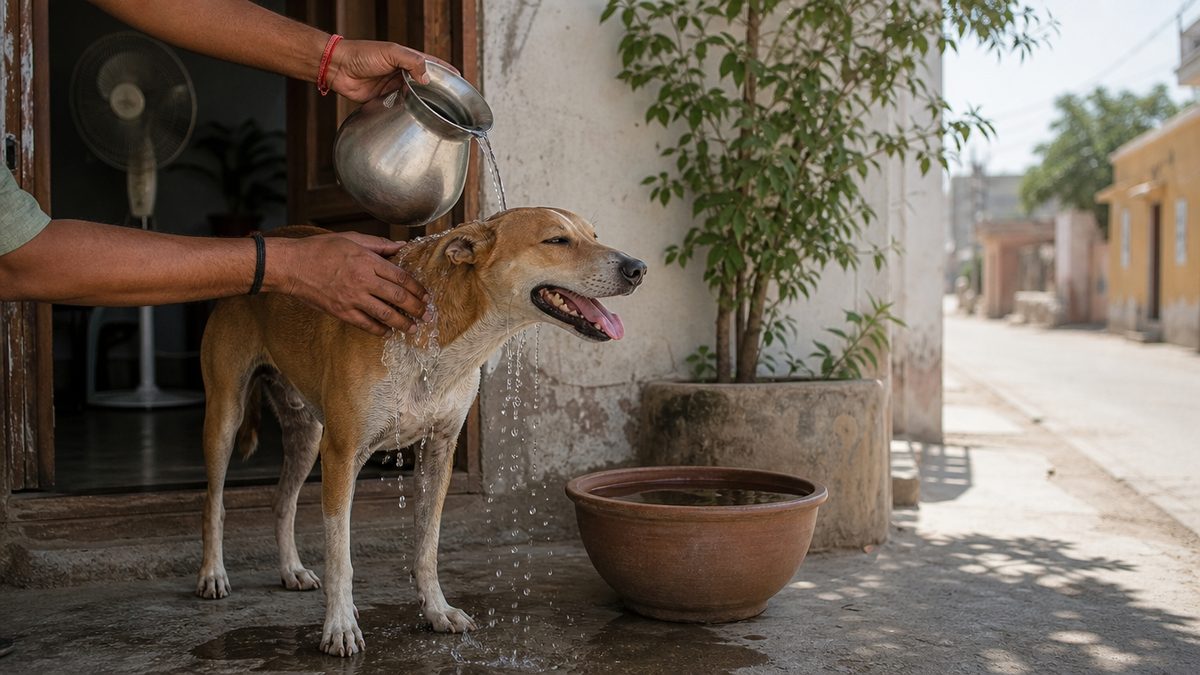
Bonbeno health content covers the conditions Indian dogs and cats actually present with, including tick-borne disease, heat stroke and monsoon skin problems. Every page is veterinary reviewed, carries cited sources, and tells you plainly when something is an emergency rather than a wait-and-see.
How Bonbeno handles health content
Pet health is the area where bad information does real damage, so the standards here are stricter than anywhere else on the site.
- Every health page carries a medical disclaimer and directs you to a registered veterinarian. Nothing here is a diagnosis.
- Health content is veterinary reviewed and the reviewer is named with their credentials, not described vaguely as an expert.
- Emergencies are labelled as emergencies. Heat stroke, bloat and suspected poisoning get told to you directly, not buried under background reading.
- Indian disease pressure is the default assumption. Tick-borne disease, heat stroke and monsoon skin conditions are the realistic threats here, not the conditions an American guide would lead with.
Do not read an article. Call a veterinarian. Use our vet directory to find a clinic near you, and treat collapse, laboured breathing, a distended abdomen, seizures or suspected poisoning as immediate emergencies.
Published condition pages
70 condition pages live, grouped by body system. Each one lists the signs, the breeds on this site that document the condition with their figures, what changes in India, and when to go to a clinic. 12 of them cover an emergency condition.
Emergencies
 Heat Stroke in Dogs: Signs, First Aid and Cost in IndiaDogs, emergency, emergencyCool first, transport second. What the threshold actually is, which authorities disagree about it, what a workup costs on two Indian government rate…
 Snake Bite in Dogs in India: The Big Four and AntivenomDogs, emergency, emergencyCobra, krait, Russell's viper, saw-scaled viper. What each venom does to a dog, the first hour that decides the outcome, the five things owners do…
Bones and joints
 ACL Tear in Dogs: Surgery Choice and Cost in IndiaDogs, orthopaedicThe cruciate does not usually snap, it fails slowly, and that changes every decision that follows.
 Arthritis in Dogs and Cats: Signs, Costs in IndiaDogs and cats, orthopaedicOsteoarthritis is the commonest chronic pain condition in both species, and in cats it is mostly invisible until somebody goes looking.
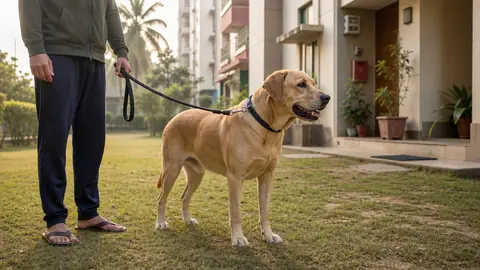 Elbow Dysplasia in Dogs: Signs, Screening, CostDogs, orthopaedicTen breeds with the number of dogs actually evaluated, the fourth fault the CT scanner finds that the register does not count, the OFA's own mating…
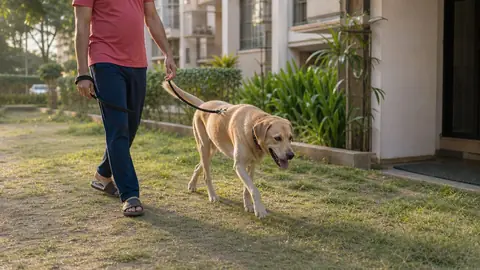 Hip Dysplasia in Dogs: Signs, Screening, Cost in IndiaDogs, orthopaedicNine breeds with the number of dogs actually evaluated, the two Indian studies with their denominators, what a hip certificate is worth when no reader…
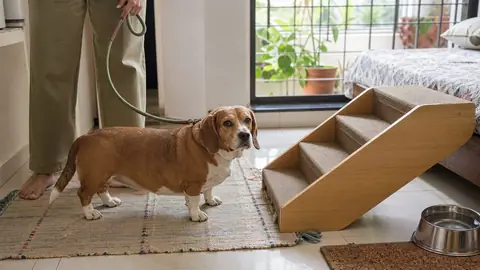 IVDD in Dogs: The 5 Grades, Recovery Odds and CostDogs, orthopaedicThe five grades of IVDD with the published proportion of dogs that walked again at each grade, medically and surgically, every rate carrying the…
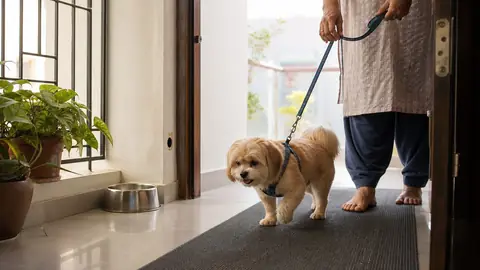 Legg-Calve-Perthes Disease in Dogs: Signs, FHO, CostDogs, orthopaedicTen breeds with the number of dogs actually evaluated in the OFA register, the age window seven bodies draw differently, the bilateral proportion only…
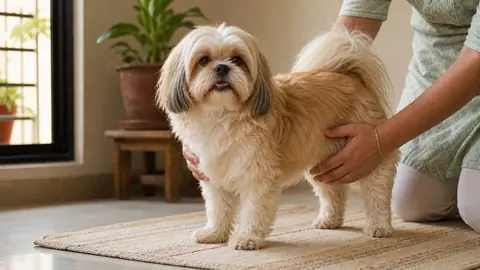 Luxating Patella in Dogs: Grades, Signs, Cost in IndiaDogs, orthopaedicTen breeds with the number of dogs each rate was measured in, the four OFA grades in the registry's own words, the first Indian clinical series on…
Brain, nerves and hearing
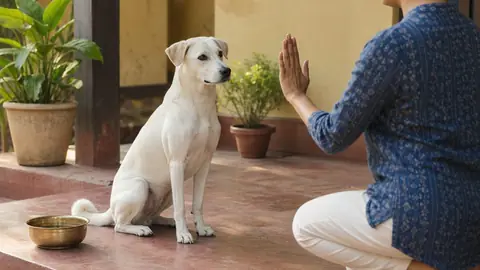 Deafness in dogs and cats: pigment, BAER and IndiaDogs and cats, neurologicalWhy a missing pigment cell in the cochlea deafens a white or merle animal, what the BAER numbers actually say once you separate one deaf ear from two…
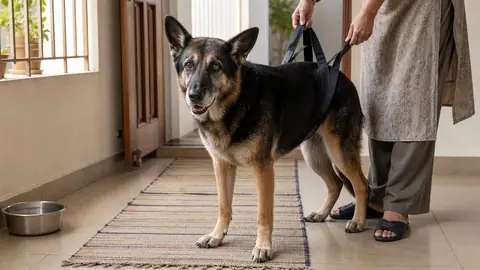 Degenerative Myelopathy in Dogs: SOD1 Test and StagesDogs, neurologicalThe SOD1 test is a risk test, not a diagnosis, and a dog can carry two copies and never develop the disease.
 Epilepsy in dogs: seizure first aid, tiers, IndiaDogs, neurologicalA cited, vet-reviewed page on the commonest neurological disease in dogs.
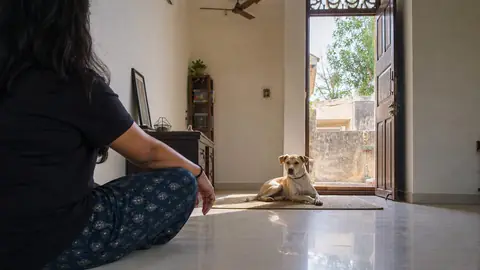 Neuronal ceroid lipofuscinosis in dogs: NCL and testsDogs, neurologicalA cited, vet-reviewed page on the inherited brain disease that takes young dogs.
Breathing and airway
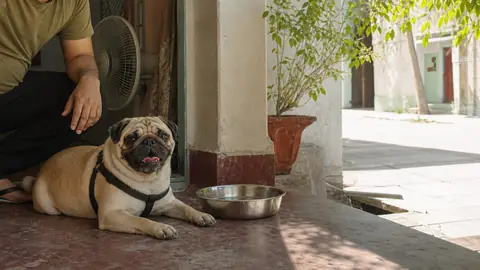 Brachycephalic Obstructive Airway Syndrome in DogsDogs, respiratoryBrachycephalic obstructive airway syndrome is the one disease a buyer can screen for by looking at a puppy's nostrils.
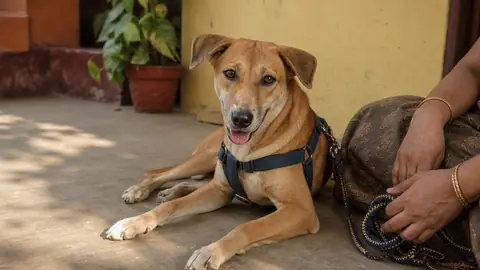 Kennel cough in dogs: signs, treatment, India costDogs, respiratoryKennel cough is not one germ and the kennel is not where most dogs catch it.
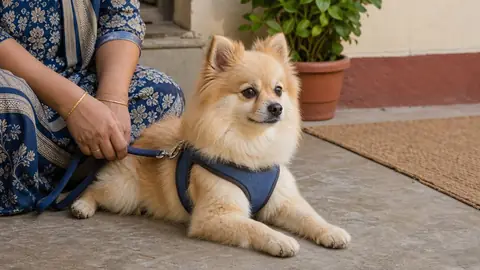 Tracheal Collapse in Dogs: Signs, Grades and Cost in IndiaDogs, respiratoryThe honking cough in a small Indian house dog, separated from kennel cough and heart disease, graded the way a fluoroscopy report grades it, and…
Cancer
 Lymphoma in Dogs and Cats: Stages, CHOP, Cost in IndiaDogs and cats, oncologyA median is not a forecast for your animal. This page gives every survival figure with its protocol, its denominator and the population it was…
 Mammary Tumor in Dogs and Cats: Spay Timing, Cost IndiaDogs and cats, oncologyThe three prevention figures every page repeats come from one 1969 study, and four current authorities print them three different ways.
 Osteosarcoma in Dogs: Amputation, Survival and CostDogs, oncologyAn Indian owner told their large dog needs a leg removed will assume it is cruel.
 TVT in dogs in India: the contagious cancer, and its cureDogs, oncologyTransmissible venereal tumour is not a tumour your dog's own cells formed.
Eyes
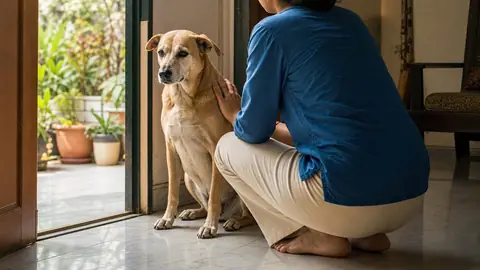 Cataract in dogs: nuclear sclerosis, surgery, India costDogs, ophthalmicA cited, vet-reviewed page on the commonest cause of a cloudy eye in dogs.
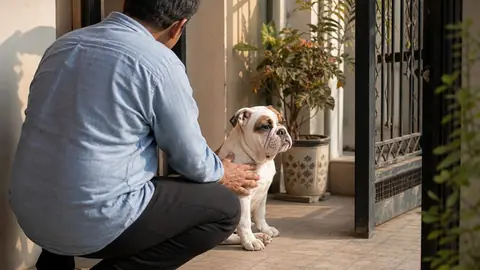 Cherry eye in dogs: tuck the gland, never cut it outDogs, ophthalmicA cited, vet-reviewed page on the prolapsed third eyelid gland.
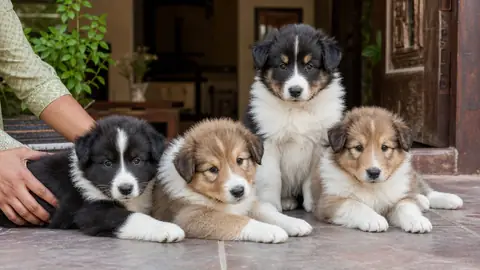 Collie eye anomaly in dogs: the NHEJ1 test and IndiaDogs, ophthalmicA cited, vet-reviewed page on the congenital eye defect that runs through the herding breeds.
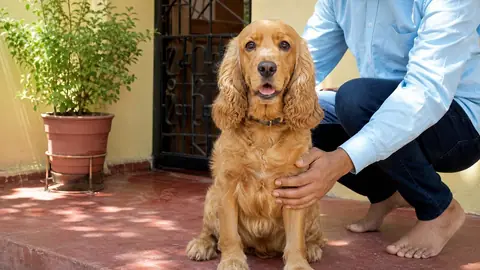 Distichiasis in dogs: extra eyelashes, breeds and costDogs, ophthalmicA cited, vet-reviewed page on the extra eyelashes owners are told to panic about.
 Dry eye in dogs: the Schirmer test, drops and IndiaDogs, ophthalmicA cited, vet-reviewed page on keratoconjunctivitis sicca in dogs.
 Entropion in dogs: breeds, surgery and cost in IndiaDogs, ophthalmicA cited, vet-reviewed page on the two eyelid faults dogs are bred into.
 Glaucoma in dogs: signs, gonioscopy and India costsDogs, ophthalmic, emergencyA cited, vet-reviewed page on the eye disease that takes sight in under a day.
 Lens luxation in dogs: the ADAMTS17 test and IndiaDogs, ophthalmic, emergencyA cited, vet-reviewed page on the inherited eye disease that blinds terriers in hours.
 Progressive retinal atrophy in dogs: DNA tests and IndiaDogs, ophthalmicA cited, vet-reviewed page on the inherited eye disease that ends in blindness.
Heart
 Dilated cardiomyopathy in dogs: DCM signs and costDogs, cardiacThree Indian series put the Labrador first, not the Dobermann. A government rate card prices the echocardiogram at Rs 300.
 HCM in Cats: Murmurs, Echo Screening, Costs in IndiaCats, cardiacHypertrophic cardiomyopathy is the commonest heart disease of cats and the commonest reason a cat dies without warning, and the number that governs…
 Mitral valve disease in dogs: murmur, stages, IndiaDogs, cardiacA cited, vet-reviewed page for the owner who has just been told there is a murmur.
Hormones and metabolism
 Diabetes in Dogs and Cats: Signs, Insulin, RemissionDogs and cats, endocrineCanine diabetes and feline diabetes share a name and almost nothing else. One is permanent and needs injected insulin for life;
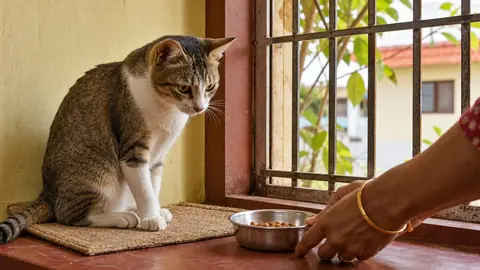 Hyperthyroidism in Cats: Tests, Treatment, India CostCats, endocrineAn old cat that is losing weight while eating more has an overactive thyroid until a blood test says otherwise, and the test is a single total T4 that…
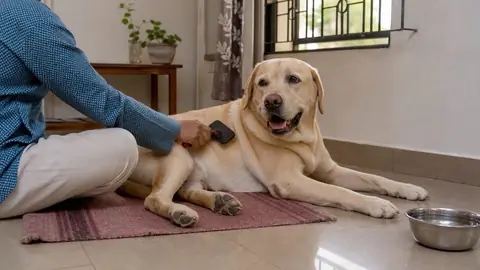 Hypothyroidism in dogs: tests, breeds and IndiaDogs, endocrineA cited, vet-reviewed page on the commonest hormone disorder in dogs.
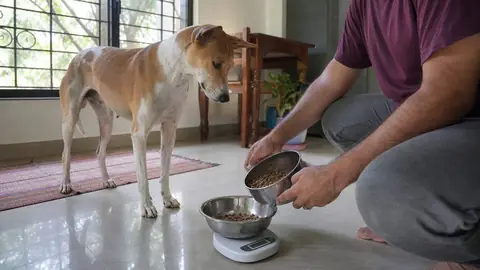 Obesity in dogs and cats: body condition scoreDogs and cats, endocrineA cited, vet-reviewed page on the one condition an owner's daily decisions control.
Infectious disease
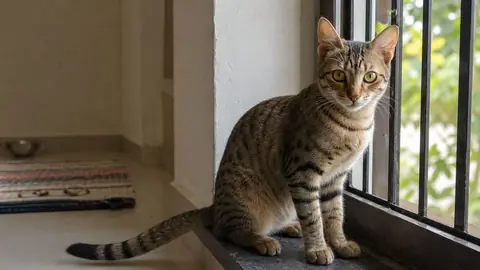 Cat Flu in Cats in India: Two Viruses, Lifelong CarriersCats, infectiousCat flu is not one disease and it is not influenza. Two unrelated viruses cause almost all of it, they leave different marks, and one of them stays in…
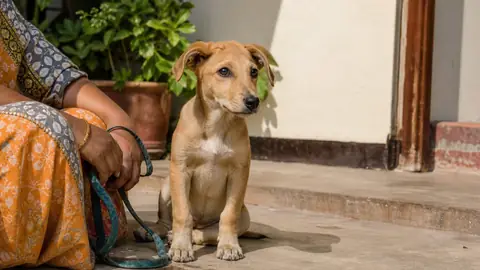 Distemper in dogs in India: signs by stage, survivalDogs, infectiousCanine distemper kills about one dog in two, and the phase owners never see coming arrives weeks after the dog seemed to get better.
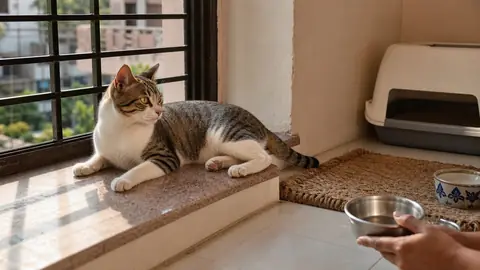 FIP in Cats: Signs, Diagnosis and Treatment in IndiaCats, infectiousFeline infectious peritonitis was a death sentence until about 2019 and now often is not.
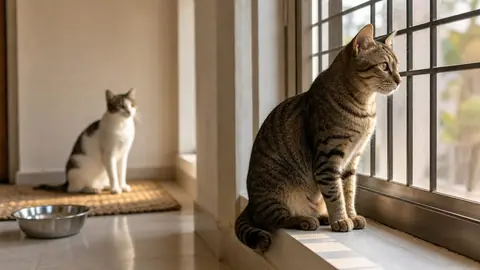 FIV in Cats and FeLV: Testing, Prognosis, IndiaCats, infectiousFeline leukaemia virus and feline immunodeficiency virus arrive on the same plastic cassette and get treated as the same news. They are not.
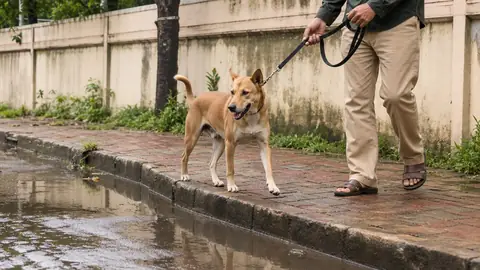 Leptospirosis in Dogs in India: Signs, Vaccine, RiskDogs, infectiousLeptospirosis is the monsoon disease of Indian dogs, and the question nobody answers here is whether the vaccine on sale covers the Leptospira…
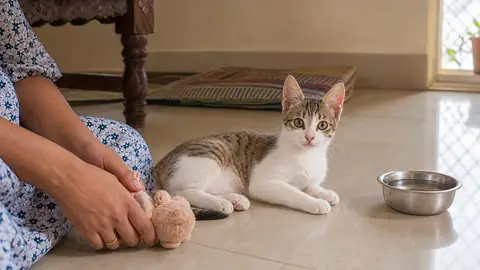 Panleukopenia in Cats in India: Survival and CostCats, infectious, emergencyFeline panleukopenia is the disease Indian cat owners call cat parvo, and it is the one infection where a day of waiting changes the arithmetic.
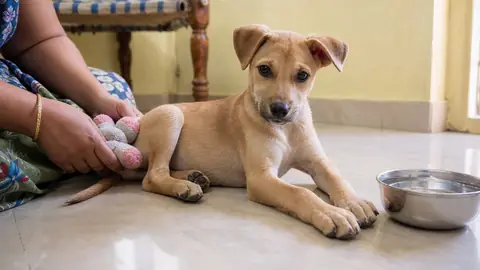 Parvo in dogs in India: signs, survival odds and costDogs, infectious, emergencyCanine parvovirus is one of the commonest causes of death in young dogs, and India has the case volume to show it.
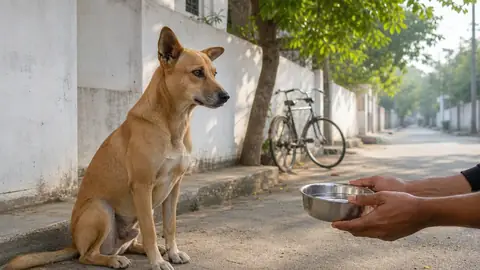 Rabies in dogs and cats in India: signs, the 10-day watchDogs and cats, infectious, emergencyIndia records more dog bites and more human rabies deaths than any other country, and the disease is fatal in the animal once signs appear.
Inherited disorders
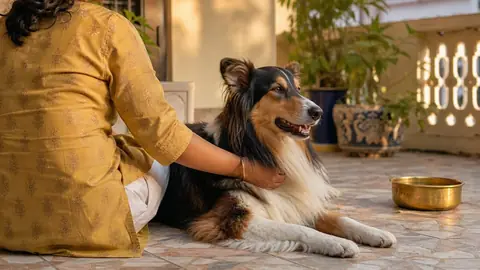 MDR1 gene in dogs: the drug list, the test, IndiaDogs, geneticMDR1 is a gene, not a disease. A four base pair deletion in it stops a dog clearing certain drugs out of its brain, and the drug that exposes it most…
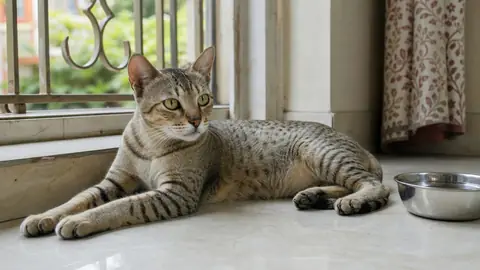 Pyruvate Kinase Deficiency in Cats: the PKLR TestCats, geneticEleven of the twenty-five affected cats in the longest published series never looked ill to their owners, and sixteen had already been bred from.
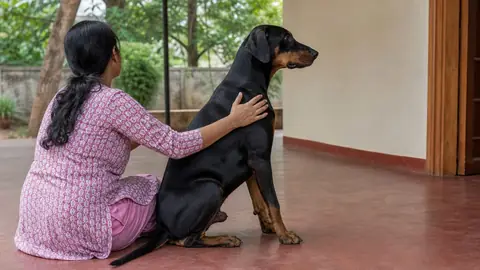 Von Willebrand disease in dogs: the test before surgeryDogs, geneticVon Willebrand disease is the commonest inherited bleeding disorder dogs have, and in most affected dogs it is completely silent until a vessel is…
Kidneys and bladder
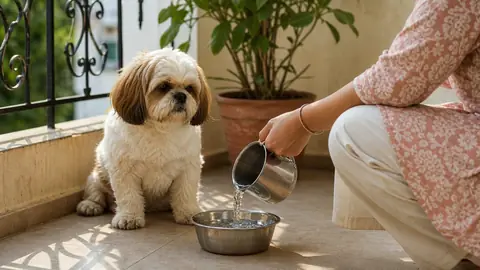 Bladder stones in dogs: stone type, surgery, India costDogs, urinary, emergencyStone type decides everything. One of the four common types melts away on a prescription diet plus the right antibiotic, one has to be cut out, and…
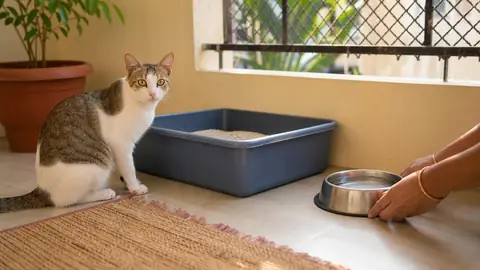 FLUTD in Cats: Blocked-Cat Emergency, Stones and CostsCats, urinary, emergencyFLUTD is not a diagnosis. It is an umbrella over feline idiopathic cystitis, bladder stones, urethral plugs and infection, and the four look identical…
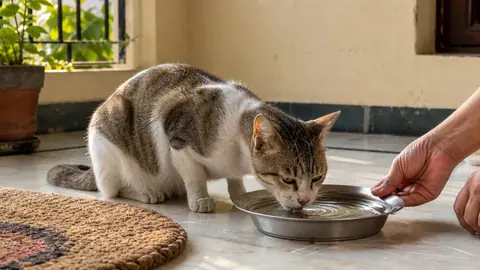 Kidney Disease in Cats: IRIS Stages, Costs in IndiaCats, urinaryChronic kidney disease is the commonest cause of death in older cats, and the number that governs everything on this page is the IRIS stage.
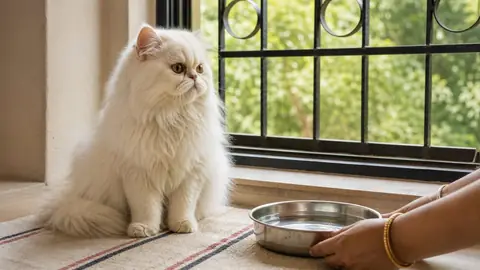 PKD in Cats: The PKD1 Test, Ultrasound and India CostCats, urinaryOne cheap DNA test answers this question before any money changes hands, and almost no Indian Persian is sold with the result attached.
Reproduction
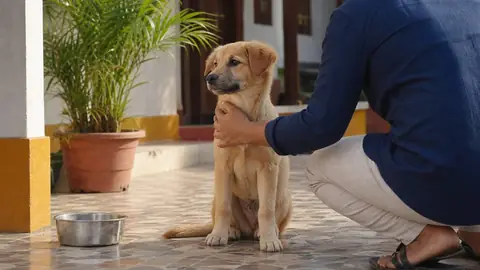 Cryptorchidism in Dogs: Risk, Surgery and Cost in IndiaDogs, reproductiveThe nine to fourteen times cancer figure traced to its four original studies, the 5.7 percent absolute risk nobody quotes beside it, ten breeds with…
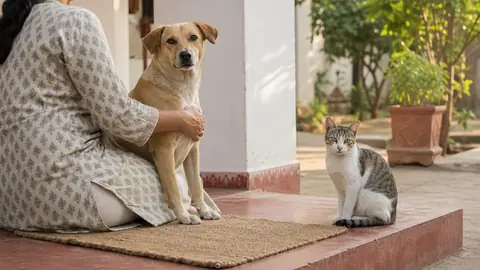 Pyometra in Dogs and Cats: Open vs Closed, Signs, CostDogs and cats, reproductive, emergencyA closed pyometra leaks nothing, which is exactly why owners wait.
Skin and coat
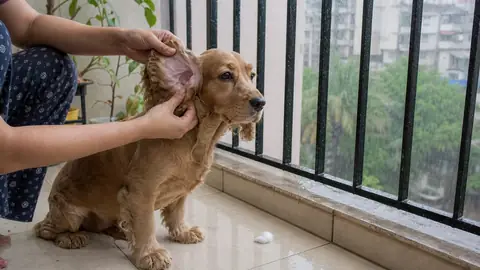 Dog ear infection in India: monsoon, breeds, treatmentDogs, dermatologyOtitis externa is the ear infection Indian owners meet every monsoon.
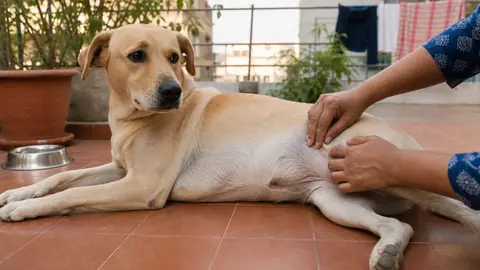 Dog skin allergy in India: diagnosis, drugs, costDogs, dermatologyEvery page ranking in India for this query sells something. None of them says the one thing a veterinarian would say first, which is that atopic…
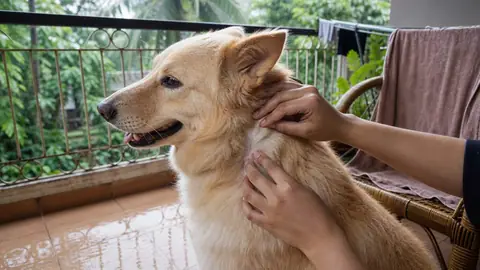 Hot spots on dogs and pyoderma in India: what worksDogs, dermatologyA hot spot is the shallowest of three depths of pyoderma, and depth is what decides whether a dog needs an antibiotic at all.
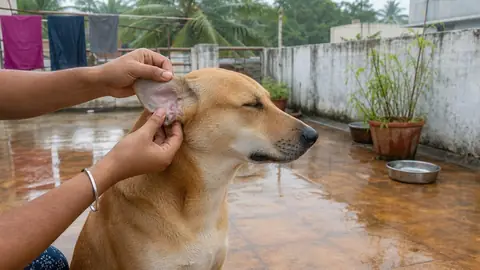 Maggot wound in dogs in India: what kills maggotsDogs, dermatologyFour of the top ten pages for this query are Indian, which tells you the disease is an Indian search before it is a global one.
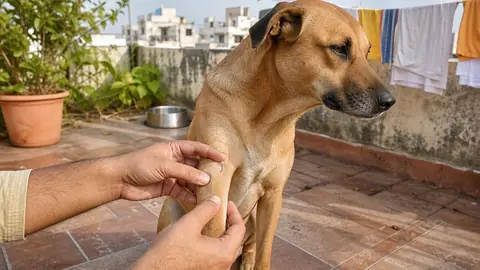 Mange in dogs in India: Demodex, Sarcoptes, ivermectinDogs, dermatologyDemodectic and sarcoptic mange share a name and nothing else. One is an overgrowth of a mite every puppy already carries and is not contagious;
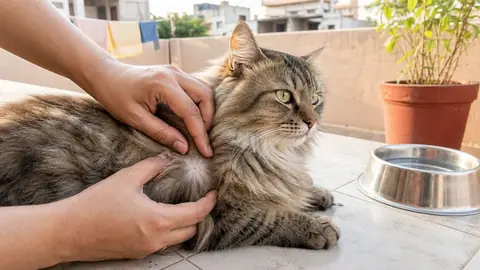 Ringworm in cats and dogs: tests, India data, costDogs and cats, dermatologyRingworm is the one common pet skin disease that also belongs to the people in the house, and in an Indian home with shared bedding and floor-level…
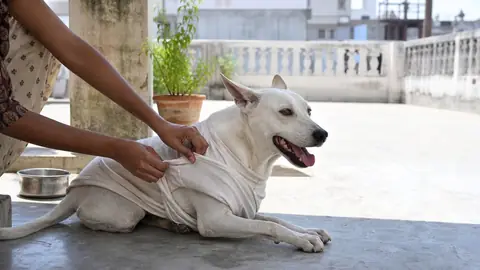 Sunburn in Dogs: Solar Dermatitis in Indian SunDogs, dermatologyChronic sun damage on a dog's belly, nose and ear tips is a premalignant skin disease, not a cosmetic one.
Stomach and gut
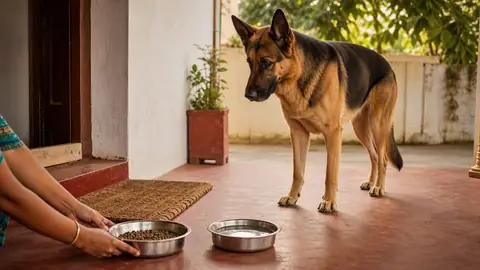 Bloat in Dogs (GDV): Signs, the Clock and Cost in IndiaDogs, gastrointestinal, emergencyUnproductive retching and a hard, swollen belly in a deep-chested dog is a surgical emergency.
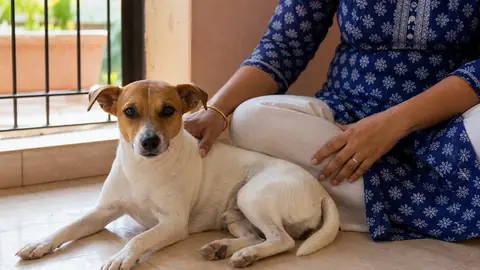 Liver Shunt in Dogs: Signs, Bile Acid Test, SurgeryDogs, gastrointestinalA congenital liver shunt is the reason a puppy stays small, vomits and goes strange after meals.
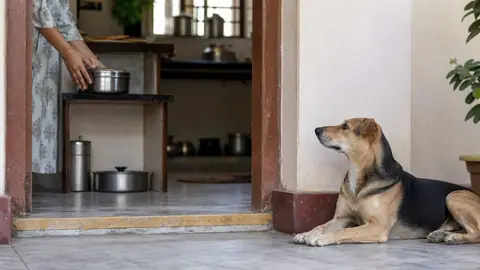 Pancreatitis in Dogs: Festival Food, cPL Test, RecoveryDogs, gastrointestinal, emergencyAcute pancreatitis after a fatty meal is the classic Indian presentation, and the only published Indian series says so with numbers.
Teeth and mouth
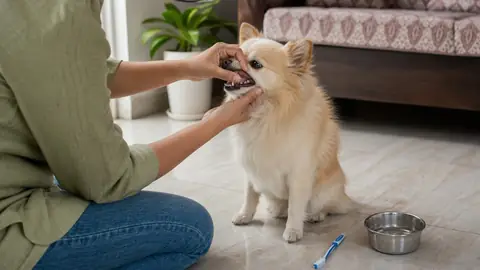 Periodontal disease in dogs and cats: the real numbersDogs and cats, dentalA cited, vet-reviewed page on the commonest disease in adult dogs and cats.
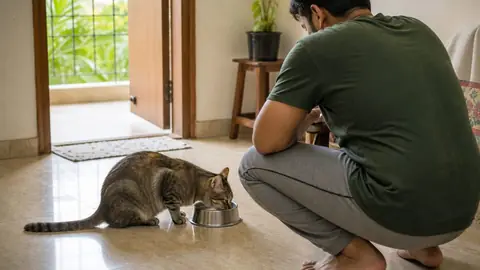 Tooth resorption in cats: the x-ray decides the treatmentCats, dentalA cited, vet-reviewed page on the commonest dental disease of cats.
Tick-borne and mosquito-borne disease
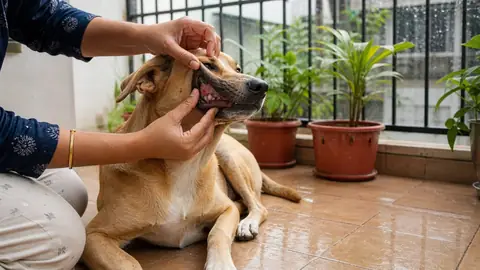 Babesiosis in Dogs: Babesia gibsoni in IndiaDogs, vector-borneThe Babesia on an Indian dog is usually the small form, Babesia gibsoni, which imidocarb alone treats poorly and a routine blood smear misses.
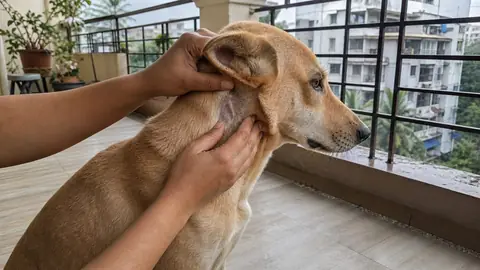 Ehrlichiosis in dogs: signs, tests, treatment in IndiaDogs, vector-borneEhrlichia canis was found in 20.6 percent of 525 dogs across four Indian cities and in 56 of 178 pet dogs at a Bhubaneswar teaching hospital.
 Heartworm in Dogs in India: What the Test Actually SaysDogs, vector-borneIndia has the true heartworm in its north and north-east, a second Dirofilaria under the skin almost everywhere, and at least four more filarial worms…
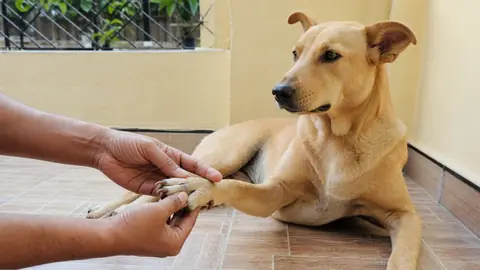 Hepatozoon canis in dogs: the tick your dog swallowsDogs, vector-borneEvery other tick-borne infection reaches a dog through the tick's mouthparts. This one reaches it through the dog's.
 Tick fever in dogs in India: the four pathogensDogs, vector-borneIndian owners are told their dog has tick fever. That name covers four different infections carried by one tick, and which one a dog has decides the…
Signs that mean go to a clinic now
The list below is triage, not diagnosis. Any of these means stop reading and get the animal to a veterinarian, because the cost of being wrong in the other direction is very high.
- Collapse or inability to stand.
- Laboured, noisy or open-mouth breathing, and in a cat any open-mouth breathing at all.
- A distended, hard or painful abdomen, especially in a deep-chested dog that has recently eaten.
- Seizures, or a first seizure of any length.
- Suspected poisoning, including chocolate, rat bait, human medication and pesticide exposure.
- Heat stroke signs, meaning frantic panting, a bright red or very pale tongue, unsteadiness or vomiting after heat or exertion.
- Straining to urinate with nothing passing, which in a male cat is an emergency measured in hours.
- Pale white or grey gums, or bleeding that does not stop.
- Repeated unproductive retching, meaning the animal tries to vomit and nothing comes up.
Bonbeno health content is reference information, not a diagnosis and not a substitute for examining the animal. Consult a registered veterinarian near you before acting on anything you read here, and treat the signs above as immediate.
What Indian conditions change
Most health content Indian owners find was written for a different climate and a different disease picture. Four differences change the practical advice.
- Heat is a year-round risk, not a summer one. Indian summer temperatures pass 45 C, and a dog cools almost entirely by panting. That makes airway shape and coat density health facts rather than cosmetic ones, which is why every Bonbeno breed guide rates heat tolerance out of 5.
- Tick-borne disease pressure is high and seasonal. Advice written for a temperate country treats tick prevention as optional. In much of India it is not, and prevention beats treatment by a wide margin.
- The monsoon changes skin, not just mood. Sustained humidity drives hot spots, ear infections and fungal skin disease, and a dense double coat that never fully dries is the common factor.
- Rabies is endemic, which makes vaccination timing a public health matter as well as a personal one, and makes any bite a veterinary and medical question rather than a wait-and-see.
Health information already published
Breed guides carry breed-specific health sections with cited prevalence data, which is where most health questions actually start. Each one names the studies, states the sample size, and says plainly where no reliable figure for that breed exists.
Common questions
Can Bonbeno tell me what is wrong with my pet?
No. Bonbeno publishes reference information, not diagnoses. Only a veterinarian who has examined the animal can diagnose it. Use these pages to understand what a condition is, what raises the risk of it and how urgent it is, then consult your nearby vet.
Who reviews Bonbeno health content?
Health content is reviewed by a registered veterinarian who is named on the page with their credentials. Bonbeno never invents a reviewer, and a page with no verified reviewer does not claim one.
What counts as a pet emergency in India?
Collapse, laboured or open-mouth breathing, a distended abdomen, seizures, suspected poisoning, heat stroke signs, straining to urinate with nothing passing, pale gums and repeated unproductive retching all mean go to a clinic immediately rather than wait. Call ahead, because out-of-hours cover varies widely between Indian cities.